Add Row
Add Element
UPDATE
Add Element
  • Home
  • Categories
    • Health and Wellness
    • Contractors
    • Home Service Providers
    • Professional Services
August 27.2025
3 Minutes Read

Texas Health Plan Enrollment Growth: Rural and Urban Areas Unite Post-ACA Integration

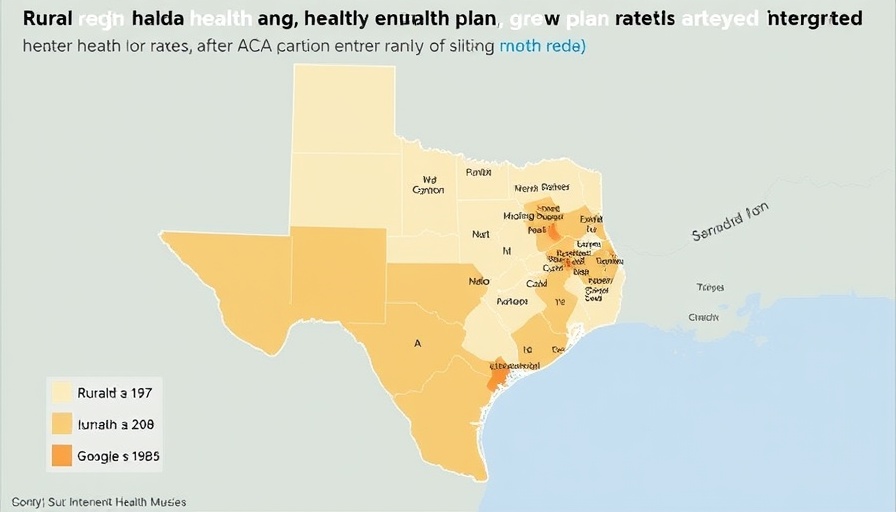
Rural and urban health plan enrollment grew at similar rates after ACA rating areas integrated in Texas

Texas Health Plans See An Uptick in Enrollment

In recent years, Texas has grappled with substantial disparities between rural and urban healthcare. However, a recent analysis reveals that health plan enrollment in both areas has surged at comparable rates since the integration of ACA rating areas. This change indicates progress towards leveling the healthcare playing field across the state, allowing residents to access a broader range of services.

Understanding the Enrollment Surge

The integration of ACA rating areas in Texas has been a pivotal shift in how health insurance is distributed. The Affordable Care Act (ACA) aimed not only to improve access to healthcare but also to address systemic inequities. By merging urban and rural rating areas, the state has made it easier for individuals from various demographics to enroll in health plans that best meet their needs. This blending has helped mitigate the isolation often felt in rural communities, where previously coverage options were limited, and premiums higher.

The Impetus Behind Change: What It Means for Residents

The equal growth in enrollment rates can be attributed to several factors. Increased awareness about available health services has played a crucial role. Community outreach and education initiatives have been vital in promoting understanding of the ACA and its benefits. Residents are now more informed about their options, leading to improved enrollment numbers. Additionally, the competitive nature of integrated rating areas is driving insurers to offer better plans and coverage options to attract enrollees.

Counterarguments: The Challenges Still Looming

Despite the positive enrollment trends, critics argue that challenges remain. Notably, some rural areas still experience limited access to certain healthcare services, such as specialized care. While the enrollment figures look promising, the quality of care and availability of services can make a substantial difference. Stakeholders are urging the state to prevent the potential pitfalls of over-enrollment without accompanying infrastructure improvements. Access to healthcare isn’t only about having insurance; it’s about being able to reach those services when they are needed.

Future Predictions: What Lies Ahead for Texas Healthcare

Looking ahead, the successes seen since the ACA's implementation in Texas present an opportunity for further enhancements. Experts predict that continued investments in both telehealth services and local clinics could bridge some of the existing healthcare gaps. As technology continues to evolve, it could further enhance access for rural residents, helping them receive timely care without the need to travel long distances.

Fundamental Changes: A Look at Economic Impact

The rise in health plan enrollment may also have significant economic implications for Texas. More individuals with health insurance means a healthier workforce, leading to increased productivity. Additionally, healthcare providers can anticipate improved financial stability owing to a higher volume of patients covered under new plans. This factors into the state’s economy on multiple levels, from job creation in the healthcare sector to reduced uncompensated care costs.

Statistical Evidence: How Numbers Tell the Story

To grasp the extent of this enrollment surge, consider the recent statistics from the Texas Department of Insurance, which indicated an increase of approximately 200,000 newly enrolled individuals across both rural and urban settings since the integration— a promising trend that underscores the effectiveness of said policy changes.

Actionable Insights: What Can Residents Do?

For Texas residents seeking to navigate this changing landscape, staying informed and engaged is paramount. Residents should actively seek out information regarding enrollment periods, coverage options, and local healthcare resources. Utilizing tools provided by organizations that specialize in assisting individuals with plan selection can also provide clarity and help tailor choices to personal needs. The more proactive residents are, the better their health outcomes are likely to be.

Final Thoughts: The Path Forward for Texas Health

The integrated approach to ACA rating areas in Texas has borne fruit. While enrollment rates for health plans among rural and urban populations have risen uniformly, the focus must now shift towards ensuring that those enrollees have access to quality care. Stakeholders must remain vigilant, ensuring that Texas continues on this path toward a more equitable healthcare environment.

As we witness these changes, it's crucial for residents—whether in bustling cities or quiet towns—to stay informed about their health options and advocate for necessary improvements. An informed public is the bedrock of a robust healthcare system.

Health and Wellness

Write A Comment

*
*
Related Posts All Posts
01.14.2026

Achieve Your Aspirations: Crafting Realistic New Year Goals with SMART Strategy

Update Begin the Year with Purpose and Clarity As we transition into a new year, we are often overwhelmed by the influx of resolutions shared across social media platforms. While the sentiment behind these goals is commendable, it's crucial to recognize that many of us might be feeling the residual effects of holiday stress. The excitement of the New Year can sometimes mask our true needs and capabilities. This is where setting realistic and personally meaningful goals becomes essential. The Importance of Setting SMART Goals Setting goals is an art that can lead to self-transformation when done correctly. One effective method is utilizing the SMART framework, which ensures our objectives are Specific, Measurable, Achievable, Relevant, and Time-bound. Specific: Zoning In On Clarity Vague goals such as "get healthier" lack direction. Instead, a specific goal could be creating a workout schedule that focuses on three specific days a week. Being precise about our aims not only keeps us focused but also enhances our motivation. Measurable: Tracking Progress To maintain momentum, we should consider how we will measure success. This means asking ourselves how often we are engaging in a particular behavior. For instance, rather than simply trying to "eat better," aim to include at least two servings of vegetables in every meal. This clarity allows us to track our progress effectively. Achievable: Realistic Expectations We should set goals that reflect our current reality. While ambition is appreciated, understanding our limits—be it time, finances, or physical capabilities—will set us up for success rather than failure. A more achievable goal can be to explore one new healthy recipe each week instead of committing to a complete dietary overhaul. Relevant: Aligning with Values Any goal we set should resonate with our deepest values and motivations. Rather than opting for fitness goals to please others, think about what being healthier means to you personally. Achieving a goal that matters to you fosters intrinsic motivation, which is far more sustainable. Time-bound: Setting a Schedule Finally, all goals should come with a timeline. Setting deadlines helps prioritize tasks and provides a sense of urgency. By establishing whether a task is to be completed weekly or monthly, we can better manage our time and expectations, making us more accountable to ourselves. Psychological Benefits of Goal Setting One underappreciated aspect of setting goals is the psychological boost they can provide. By working towards specific, realistic objectives, we can experience greater satisfaction and self-worth. Research indicates that setting achievable goals may produce high levels of confidence, leading to improved mental health and reduced symptoms of anxiety and depression. Sharing Goals: Encouragement and Accountability Sharing our intentions with friends or community members can create a support system that fosters accountability. Engaging with like-minded individuals can offer moral support and constructive feedback. Consider joining local groups or online forums where you can share your progress and celebrate milestones. Adjusting Goals When Necessary Lastly, life is unpredictable. Flexibility in our approach to goals is crucial. If we hit a snag or face new obstacles, we should feel empowered to adjust our goals. This adaptive mindset not only reduces stress but also fortifies our resolve. Remember, it’s about progress, not perfection. Moving Forward As we embark on this New Year, let’s commit to setting realistic and meaningful goals that resonate with who we are. It might take time, and it will require effort, but the rewards of this journey will positively impact our mental, emotional, and physical well-being. So, take that leap towards SMART goals—live with clarity, purpose, and intentionality! For anyone looking to explore their potential and set these goals with guidance, consider reaching out to a professional who can provide support tailored to your needs.

01.14.2026

Discover How Social Factors Influence Physical Activity in Older Adults

Update Understanding the Vital Links Between Social Factors and Physical Activity in Older Adults The connection between social factors and physical activity levels in older adults is becoming increasingly evident. Recent research has unveiled strong ties between an individual's social environment—such as their friendships and community involvement—and their likelihood to engage in regular physical activities. With the aging global population, understanding these connections is not just valuable; it is vital for developing effective health strategies. Why Social Connections Matter Social networks can greatly impact the physical activity levels of older adults. According to recent studies, including one published in the Journal of Aging and Physical Activity, having robust social connections improves the chances of older adults being physically active. Engaging regularly with friends and community members can create a supportive environment that encourages walking and other forms of exercise. The evidence is clear: when older adults interact more frequently with their peers, they are statistically more likely to participate in regular walking. This social interaction not only lifts spirits and combats loneliness but serves as a motivating factor for maintaining a physically active lifestyle. A community filled with support can significantly add years to life and life to years. Gender Differences and Community Support Research highlights intriguing gender differences in physical activity among older adults. Findings indicate that women report higher participation rates in both recreational and regular walking compared to their male counterparts. This can be attributed in part to social factors—women often have more extensive social networks that encourage physical activity. Moreover, when considering community infrastructure, areas with higher walkability—those enabling easy walking routes—enhance the likelihood of regular walking for both genders. Men and women benefit differently from these environments, with studies showing that improvements in walkable areas positively influence older women's walking habits, while more social interaction bolsters regular walking among men. The Role of Environment in Encouraging Activity Beyond social connections, the physical environment plays an essential role in promoting activity among older adults. Well-designed neighborhoods that provide safe walking paths, accessibility, and opportunities for socialization instill a strong sense of community. According to a research study published in Frontiers in Public Health, older adults living in encouraging environments are more inclined to walk regularly. Factors like street connectivity, lighting, and park proximity are significant. If the neighborhoods are inviting, they naturally foster more active lifestyles among residents, further emphasizing the necessity for comprehensive urban planning that considers the needs of older adults. Actions to Create Supportive Environments For policymakers and healthcare providers, understanding these connections is crucial in their efforts to promote active living among older adults. Strategies that foster social interactions, community support, and improved neighborhood walkability can lead to healthier aging. Community programs designed to engage older adults in social activities—such as walking clubs or fitness classes—are excellent ways to bridge the gap between social and physical engagement. By increasing awareness around the importance of maintaining active lifestyles and cultivating community interactions, we can enhance the well-being of our aging population. Frequently Asked Questions How can social connections encourage physical activity? Social connections provide emotional support and motivation, making it easier for older adults to stay active. Engaging with peers and friends often creates a sense of accountability and enjoyment in physical activities. What environmental factors should be considered for older adults? Key factors include the walkability of neighborhoods, accessibility to recreational spaces, and the presence of community support networks. Improving these elements can significantly enhance older adults’ engagement in physical activities. What are some community initiatives that can help? Initiatives like organized neighborhood walking groups, fitness classes tailored for older adults, and community events that promote interaction can create a vibrant atmosphere encouraging participation among seniors. Concluding Thoughts Understanding the intricate relationship between social factors and physical activity is crucial for creating effective health strategies. Both community engagement and environment play essential roles in ensuring older adults can lead active and fulfilling lives. By fostering strong social networks and creating supportive environments, we can build healthier communities for our senior population. Learn more about the initiatives around you—connecting with health and wellness services can open doors for healthier aging strategies. Better yet, participate in community activities and support networks to make vibrant, healthier living a reality for older adults.

01.13.2026

Texas A&M Nurtures Cancer Research with Chancellor’s Fellow Rahma Kamal

Update Texas A&M's Commitment to Advance Cancer Research The Naresh K. Vashisht College of Medicine at Texas A&M University is honored to welcome Rahma Kamal as the newest recipient of the Chancellor’s National Academy STEM Ph.D. Fellowship. Kamal’s appointment marks a significant investment in the future of cancer research, reflecting Texas A&M’s commitment to positioning itself at the forefront of scientific innovation. Empowering Promising Scholars The Chancellor’s Fellowship, a prestigious award administered through the Hagler Institute for Advanced Study, enables exceptional STEM scholars to engage in groundbreaking research under expert mentorship. Kamal, who specializes in cancer, cell, and developmental biology, will be mentored by Kenneth Ramos, a notable figure in the National Academy of Medicine. This fellowship not only provides Kamal with financial support but also connects her with leading researchers to enhance her work and research prospects. Innovative Cancer Research Initiatives With over five years of oncology research experience and two peer-reviewed publications, Kamal aims to tackle pressing challenges in cancer treatment. Her previous research focused on understanding how inhibiting HDAC6 can make certain cancer cells more responsive to treatment, hinting at her potential to pioneer innovative therapeutic strategies. This endeavor aligns with the broader goals of the Institute of Biosciences and Technology, where she will contribute to identifying novel biomarkers and therapeutic targets for cancer treatment. Fellowship Benefits and Collaborative Opportunities The Chancellor’s Fellowship is groundbreaking not only for its support structure but also for creating an environment where interdisciplinary collaboration thrives. Kamal’s role will involve mediating initiatives with academic teams across various disciplines, notably the School of Law, to bridge translational research findings with health law and policy. This collaborative approach is vital in developing comprehensive solutions to health challenges. Historical Context: A New Era in STEM Education The Chancellor's National Academy STEM Ph.D. Fellowship program, introduced in 2025, aims to attract the brightest minds in the nation. As part of this inaugural class, Kamal joins 15 elite scholars who will contribute significantly to their respective fields while benefitting from extensive financial support and expert mentorship. The initiative highlights a strategic focus on enhancing science and technological disciplines within Texas A&M, thereby elevating its national prominence in academic research. Future Predictions: Trends in Cancer Research As the field of cancer research evolves, the incorporation of precision medicine and personalized treatment strategies is expected to become increasingly significant. The research conducted under Kamal’s guidance can lead to breakthroughs that redefine standard cancer therapies, making it essential to keep an eye on her outcomes. Future advancements could lead to more refined approaches to treating complex cancers, such as triple-negative breast cancer, which often presents challenges in treatment responsiveness. Conclusion: The Importance of Investing in Future Leaders Rahma Kamal’s acceptance into the Chancellor’s Fellowship program is more than an accolade; it’s an investment in the future of cancer research and medical science. As she embarks on this journey at Texas A&M, her work will undoubtedly inspire emerging scholars while contributing to pioneering developments in healthcare. As we continue to support and invest in the future leaders of medical sciences, it's crucial to champion initiatives that foster academic excellence and interdisciplinary collaboration. For those interested in supporting educational advancements and healthcare innovation, consider getting involved in initiatives that promote research and development.

Terms of Service

Privacy Policy

Core Modal Title

Sorry, no results found

You Might Find These Articles Interesting

T
Please Check Your Email
We Will Be Following Up Shortly
*
*
*